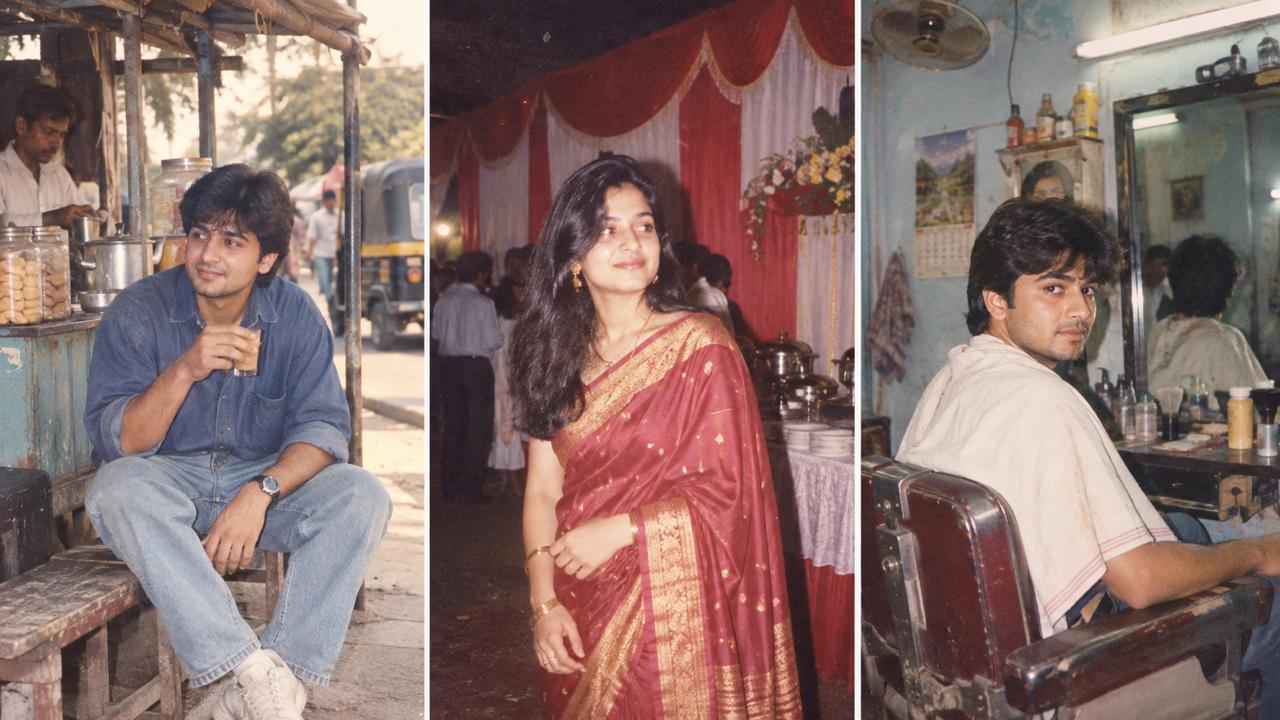
- Instead of glamorous 1980s portraits, these prompts recreate everyday 1990s Indian scenes like chai stalls, barber shops and railway platforms.
- Each prompt adds period details such as film grain, flash-heavy lighting and old-camera colours so the photo looks like a real memory.
- The guide includes 12 ready-to-use prompts, from wedding album shots to waiting outside a PCO/STD booth.
The viral retro AI photo trend has turned Instagram into a time machine. Right now, most people are using ChatGPT to recreate glamorous 1980s portraits: big hair, old Bollywood styling, studio lights and grainy film effects.
But the 1990s many of us remember did not always look like a movie poster.
They looked like tea served in a small glass beside a dusty road. A plastic-covered chair inside the neighborhood barber shop. Waiting on a railway platform with luggage at your feet. Flash-heavy wedding photographs where half the background disappeared into darkness. College canteens, scooters, old buses and rooftop pictures taken simply because someone had a camera that day.
That is the idea behind these 90s AI Photo Prompts.
Instead of putting a vintage filter over a modern portrait, these prompts try to rebuild the little details that make an old photograph believable.
Upload a clear photograph of yourself to ChatGPT, choose a scene below and use the prompt as your starting point.
First, Don’t Ask AI to Make the Photo “Beautiful”
This sounds strange, but it makes a big difference.
Words such as:
8K, ultra cinematic, masterpiece, perfect lighting, flawless skin, professional portrait
often make a retro image look newer rather than older.
Real family photographs from the 1990s were rarely perfectly exposed or carefully color-graded. Cheap point-and-shoot cameras, direct flash, film processing and printed photographs introduced their own imperfections.
So for this trend, a better instruction is:
Preserve my facial identity and natural skin texture. Make the photograph believable rather than glamorous. Use slightly imperfect framing, consumer-film characteristics, natural body posture and era-appropriate details. Avoid modern cinematic lighting, HDR, plastic skin and excessive digital sharpness.
Keep that idea in mind while using the prompts below.
1. The Roadside Chai Stall Photo
Not a fashionable café pretending to be old. Think about the tiny tea stalls that actually sat beside roads, markets and bus stops.
Prompt: Transform my uploaded photo into a candid Indian street photograph taken around 1996. Preserve my facial identity, facial proportions, skin tone and natural expression. Place me casually sitting on a worn wooden bench beside a small roadside chai stall. Include a metal tea kettle, small glass cups, old biscuit jars, a simple counter, faded painted walls and an older auto-rickshaw softly visible farther down the road. Dress me in relaxed mid-1990s clothing: loose denim or trousers with a simple slightly oversized shirt. Use late-afternoon natural light, restrained warm film tones, subtle 35mm grain, slightly soft details and imperfect point-and-shoot camera framing. The photograph should feel ordinary and unplanned, like something found inside an old family album. Do not add modern café furniture, QR codes, smartphones, LED boards, contemporary cars or cinematic orange-and-teal grading.
A small detail makes this scene work: don’t make the chai stall too clean. Once everything becomes perfectly arranged, it starts looking like a movie set.
2. The Neighborhood Barber Shop
Almost every old neighborhood had one: large mirror, faded walls, combs lined up somewhere, an old chair and a fan that looked older than the shop itself.
Prompt: Recreate my uploaded photograph as a mid-1990s Indian neighborhood barber-shop snapshot. Keep my real face and identity recognizable. Place me naturally inside a small local barber shop with a heavy old salon chair, large slightly aged wall mirror, shaving brush, simple combs, glass bottles, an old ceiling fan, faded calendar and worn painted walls. Add a few generic old film-style posters in the background without readable movie titles or celebrity faces. Use mixed indoor fluorescent light and direct consumer-camera flash. Allow slightly harsh flash on the face, darker corners, modest film grain, faded print colors and mild softness. Avoid luxury salon interiors, ring lights, modern hair equipment and polished editorial photography.
This one should look a little awkward. That is part of the appeal.
3. The Flash-Heavy Wedding Album Shot
Today’s wedding photographs are designed for Instagram. Old wedding photographs often looked completely different.
The photographer pointed the flash at you, pressed the shutter and moved on.
Prompt: Turn my uploaded photo into an authentic Indian wedding-album photograph from approximately 1994–1998. Preserve my face, natural skin tone and recognizable identity. Dress me in slightly shiny period-appropriate Indian wedding clothing and place me near a modest wedding reception area with fabric drapes, simple floral decorations, banquet chairs and an old buffet counter. Photograph the scene using strong direct on-camera flash so the foreground appears brighter while parts of the background fall naturally darker. Add slightly saturated reds and greens, mild film grain, soft printed-photo detail, minor exposure imperfections and the feeling of an inexpensive developed film print. Keep the venue believable for a middle-class 1990s wedding rather than a modern luxury event. No LED walls, designer stage lighting, smartphones or contemporary wedding décor.
Don’t automatically ask for sepia. Most 1990s color wedding photographs were still colorful—sometimes too colorful.
4. Waiting Outside a PCO/STD Booth
A yellow or hand-painted telephone sign can place a photograph in another era faster than almost anything else.
Prompt: Transform my uploaded image into a late-1990s Indian street photograph outside a tiny public telephone and STD/PCO booth. Preserve my facial identity and natural appearance. Place me standing casually outside the booth with an old wired landline visible inside, handwritten notices, a simple rate board, weathered walls and a few everyday street details. Dress me in ordinary late-1990s casual clothes rather than costume-like retro fashion. Photograph the scene in normal daylight using the look of a consumer film camera: modest contrast, slightly faded colors, light grain, minor lens softness and imperfect composition. Remove smartphones, QR-payment signs, digital screens, modern cars and new storefront branding.
This is the kind of background detail that makes someone stop scrolling for a second because it feels familiar.
5. Railway Platform Before Smartphones
Travel photographs used to have a different rhythm. People weren’t looking down at screens; they were waiting, talking, reading or simply watching the platform.
Prompt: Reimagine my uploaded photo as a candid Indian railway-platform photograph taken in 1995. Preserve my facial features, identity and natural skin tone. Place me beside simple travel luggage on an older railway platform with metal benches, aged signboards, tea vendors and a period-appropriate passenger train softly visible behind me. Add a few distant passengers but keep the scene natural and uncluttered. Dress me in everyday 1990s travel clothing. Use slightly hazy daylight, muted film colors, realistic 35mm grain and mild motion blur on a few distant people. Frame the photograph like a family member quickly took it while waiting for a train. No digital station displays, modern suitcases, smartphones or contemporary trains.
Don’t make the subject pose like a fashion model. Looking slightly away from the camera can make this scene much more believable.
6. The College Canteen Photo
The American yearbook look may be viral, but an old Indian college canteen creates a much more recognizable version of 1990s student life.
Prompt: Transform my uploaded image into a casual Indian college-canteen photograph from around 1997. Maintain my actual facial identity and proportions. Place me at a simple worn table with notebooks, a glass or steel cup of tea and ordinary canteen snacks. Use basic wooden or metal chairs, an old noticeboard, painted walls and a few students softly visible in the background. Dress me in relaxed 1990s college clothing such as straight or loose jeans, a plain shirt or T-shirt and simple shoes. Use window light mixed with ordinary fluorescent lighting, subtle film grain, slightly muted colors and consumer-camera softness. The photograph should look spontaneous, not styled for social media. Remove laptops, smartphones, wireless earbuds, modern café décor and contemporary branding.
A notebook lying slightly crooked on the table is more convincing than a dozen “retro” props.
7. Gully Cricket After School
Not everything nostalgic needs film-star styling.
Sometimes all you need is a narrow lane, a wooden bat and a wall being used as a wicket.
Prompt: Recreate my uploaded photo as an Indian neighborhood snapshot from the mid-1990s during a casual game of street cricket. Keep my face and natural appearance recognizable. Place me in a narrow residential lane holding a simple wooden cricket bat naturally, with a handmade wicket, modest houses, balconies, bicycles and period-appropriate scooters in the background. Use ordinary loose casual clothing rather than a professional cricket uniform. Photograph the scene in late-afternoon sunlight with natural shadows, slightly faded film colors, subtle grain and a tiny amount of motion blur. Keep the framing imperfect, as if someone nearby casually took the photograph. Avoid stadium lighting, branded sports sets, modern vehicles and dramatic sports-poster composition.
This works especially well when the frame does not look too carefully arranged.
8. Cassette Shop on a Busy Market Street
This is one of the scenes missing from most retro AI prompt lists.
Before playlists lived on phones, small cassette and music shops were part of local markets.
Prompt: Transform my uploaded photograph into a realistic Indian market-street photo from 1995–1998. Preserve my facial identity and natural skin tone. Place me outside a small neighborhood audio cassette shop with rows of generic cassette cases, old speakers, handwritten price cards and slightly crowded shelves visible behind me. Do not use recognizable album covers or copyrighted celebrity artwork. Dress me in understated 1990s casual clothes and position me naturally rather than in a fashion pose. Use normal afternoon street light, mildly faded consumer-film colors, subtle grain, soft contrast and slightly imperfect camera focus. Surround the shop with believable older storefront details while removing smartphones, QR codes, LED signage and modern electronics.
If ChatGPT makes the cassette shop look like a museum, ask it to make the shop busier, cheaper and more ordinary.
9. Old Bus Stand With a Cloth Travel Bag
The polished “vintage traveller” aesthetic is everywhere. An ordinary bus stand feels completely different.
Prompt: Turn my uploaded photo into a small-town Indian bus-stand photograph from the 1990s. Preserve my identity and facial features. Place me waiting near an older public bus with a simple cloth or period-appropriate travel bag. Include weathered benches, modest tea or snack stalls, dusty ground and a few ordinary commuters in the distance. Use hand-painted or aged generic signage without modern logos. Dress me in practical 1990s travel clothing. Photograph the scene under slightly harsh natural daylight with muted dusty colors, moderate consumer-film grain, minor exposure imperfections and straightforward composition. Make it feel like an old travel photograph rather than a cinematic scene.
The dusty colors are important here. Heavy golden grading makes the result look artificial.
10. Rooftop Photo at 5 PM
A lot of old photographs were taken somewhere completely ordinary: the roof of the house.
No elaborate location. No set.
Prompt: Transform my uploaded image into an Indian rooftop snapshot taken in the mid-1990s. Preserve my real facial features, skin tone and overall identity. Place me naturally on the roof of a modest home during late-afternoon light. Include neighboring rooftops, an older television antenna, clothes drying on a line, water tanks and a slightly hazy city or small-town skyline. Dress me in simple 1990s everyday clothing. Use gentle warm sunlight, subtle film grain, slightly faded print colors and modest camera softness. Frame it like an unplanned family photograph with natural posture rather than a professional portrait. Remove modern skyscrapers, smartphones, luxury rooftop furniture and dramatic cinematic lighting.
This is probably the simplest scene in the list, which is precisely why it can feel convincing.
11. Monsoon Market Photograph
Old film photographs taken during rain often had strange exposure, muted skies and reflections that weren’t perfectly sharp.
That imperfection works beautifully for AI retro images.
Prompt: Recreate my uploaded photograph as a 1990s Indian monsoon street snapshot. Preserve my facial identity and natural appearance. Place me beneath a simple umbrella or small shop awning on a wet neighborhood market road. Include puddles, older shopfronts, bicycles and period-appropriate scooters in the distance. Use cloudy natural daylight, slightly cool faded film tones, subtle 35mm grain, mild softness and imperfect wet reflections. Clothing should look naturally affected by humid weather rather than styled for a photoshoot. Avoid neon cyberpunk lighting, modern vehicles, QR signs, smartphones and artificial cinematic rain effects.
Don’t ask for dramatic rain. A slightly wet street usually looks more authentic than a thunderstorm.
12. The Local Photo Studio Portrait
And finally, the picture many families actually went somewhere specifically to have taken.
A plain backdrop. Direct light. Formal posture. No “candid” expression required.
Prompt: Transform my uploaded photograph into a portrait from a small Indian local photo studio in the 1990s. Preserve my facial identity, skin tone, face shape and natural expression. Use a simple slightly dated painted or gradient studio backdrop, restrained period-appropriate clothing and a formal but believable pose. Light the face using straightforward frontal studio lighting or flash rather than modern beauty lighting. Add mild softness, subtle analog grain, slightly compressed printed-photo colors and realistic skin texture. The final image should resemble a photograph developed and placed in a family album, not a modern fashion editorial. Avoid artificial bokeh, glossy retouching, HDR, hyper-sharp details and luxury studio styling.
If the result still looks too modern, don’t keep adding more “vintage” effects. Ask ChatGPT to make the camera worse, not the styling louder.
How to Use 90s AI Photo Prompts in ChatGPT
You don’t need to create a random AI character first and then put your face on it.
Start with your own photograph.
Upload a clear image in which your face is visible, then paste the prompt you want to use. A front-facing or slightly angled image generally gives the model more useful identity information than a heavily filtered selfie or photograph where your face is very small.
If the first result changes your face too much, don’t regenerate everything immediately.
Reply with something specific:
Restore the face, facial proportions, eyes, nose, lips, skin tone and recognizable identity from my original uploaded photograph. Keep the clothing, environment and 1990s camera treatment from the generated image.
If the photograph looks too modern:
Make this look less digitally perfect. Reduce sharpness slightly, use restrained consumer-film grain, less polished lighting, imperfect framing and realistic 1990s print colors. Remove any modern objects.
And if it starts looking like a costume drama:
Make the clothes and surroundings more ordinary and lived-in. This should look like an everyday photograph taken in the 1990s, not a recreation of the 1990s for a film.
Those follow-up instructions are often more useful than stuffing another twenty adjectives into the original prompt.
The Detail Most Retro AI Photos Get Wrong
It isn’t always the hairstyle.
It is the background.
You can have convincing grain, perfect clothing and an old camera look, but one QR-code payment sticker or modern car immediately breaks the illusion.
Look closely at the generated result before posting it.
Check for:
- Smartphones
- Modern vehicles
- LED signboards
- QR-payment stickers
- Wireless earbuds
- Contemporary packaging
- New building styles
- Modern café interiors
- Impossible text on signs
- Hands or objects that look obviously generated
Fix those details individually.
You can simply tell ChatGPT:
Keep everything else unchanged. Replace the modern vehicle in the background with a period-appropriate vehicle and remove the QR-code sign.
Small corrections usually produce a better result than regenerating the entire picture.
80s vs 90s AI Photos: The Difference Is More Than Clothes
The current viral trend leans heavily into the 1980s: dramatic hairstyles, glamorous studio portraits, Bollywood-inspired fashion, bold accessories and warmer stylized photography.
The 1990s can be approached differently.
Instead of making everything glamorous, think:
direct camera flash, everyday denim, ordinary streets, family albums, college life, railway journeys, neighborhood shops and inexpensive consumer cameras.
That’s why simply changing an 80s hairstyle to a 90s hairstyle doesn’t always produce a convincing result.
The environment needs to move forward a decade too.
Build a Prompt From Your Own Memory
The most interesting image in this trend probably isn’t one of the prompts above.
It’s a place you remember.
Maybe the old market near your house. Your college corridor. A neighborhood sweet shop. Your grandparents’ terrace. A bus route you used to take. A small restaurant your family visited.
Use this formula:
Who you are + where you are + what you are wearing + small period details + type of light + camera behavior + modern things to exclude.
For example:
Preserve my facial identity and turn my photo into a 1997 Indian neighborhood bookstore snapshot. Place me beside crowded wooden shelves with magazines and inexpensive paperbacks, wearing loose jeans and a checked shirt. Use afternoon window light mixed with fluorescent indoor light, subtle consumer-film grain, faded print colors and imperfect framing. No smartphones, QR codes, LED signs or modern interiors.
The more specific the memory, the less the finished picture looks like everyone else’s AI trend post.
Before You Upload a Personal Photo
These edits work best with a clear image of your face, which also means you are uploading personal visual data to an AI service.
Use a photo you are comfortable uploading, check the privacy and data controls of the service you use, and avoid images that accidentally contain sensitive documents, addresses or other private information in the background.
You don’t need to upload your highest-resolution original photograph just to participate in a social-media trend.
The Best Retro Photo Should Not Look Like a Prompt
That’s really the point.
If someone immediately notices the film grain, the vintage costume, the exaggerated sepia tone and every carefully placed “old” prop, the image starts feeling like an AI recreation.
A convincing old photograph usually feels less intentional.
Someone is waiting for a bus. Drinking tea. Standing awkwardly at a wedding. Sitting in a barber’s chair. Looking out of frame while somebody presses the shutter.
Use these 90s AI Photo Prompts as a base, but change the street, clothes, weather, shop, vehicle or small background objects until the photograph starts resembling a memory that could actually belong to you.
The goal isn’t to make the 1990s look perfect.
It’s to make the photograph feel like nobody knew it would become nostalgic one day.